
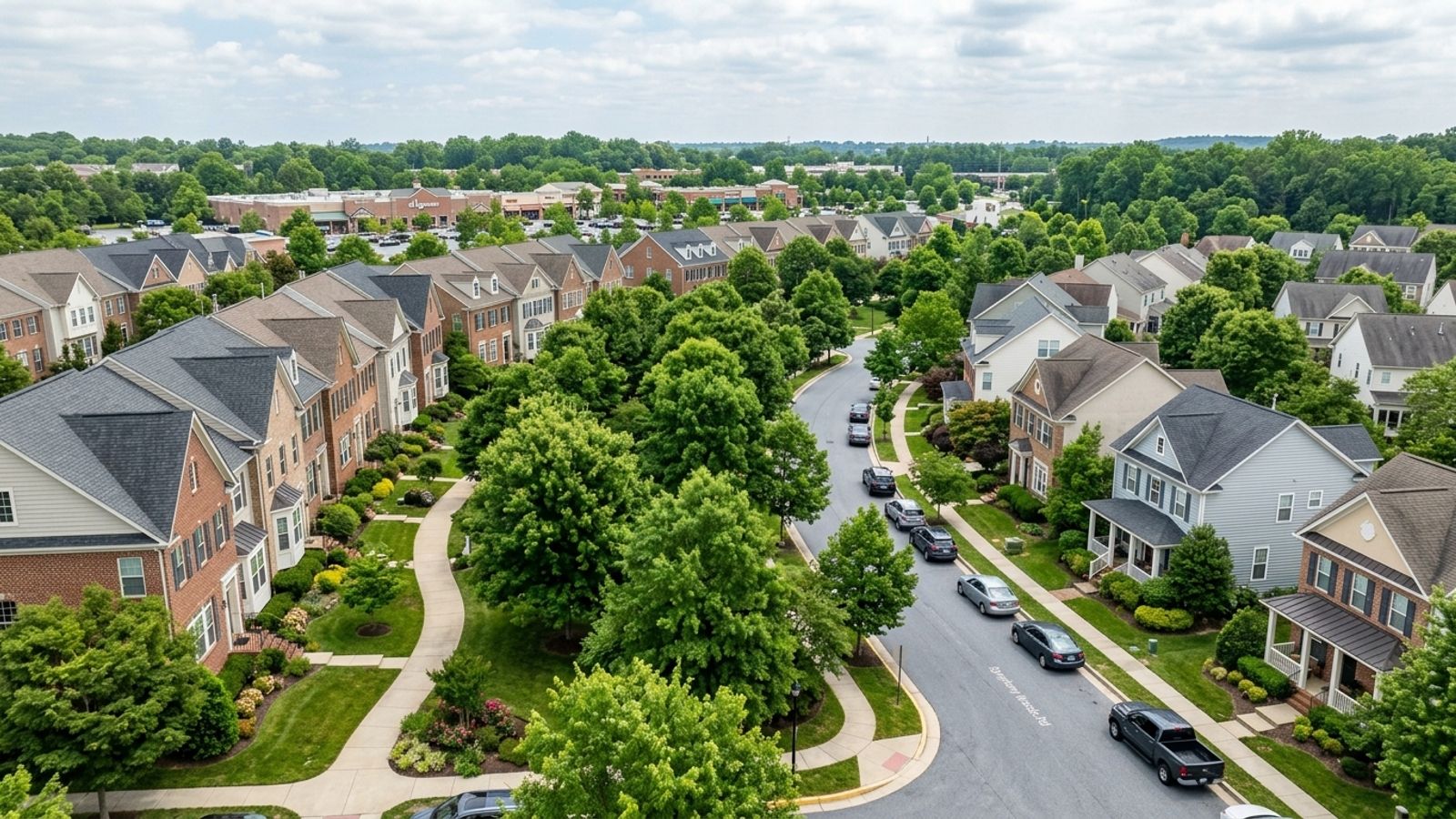
Columbia, MD sits in the center of Howard County, and the first thing to understand is that it doesn't work like a typical suburb. It was built from a master plan - villages instead of subdivisions, shared amenities instead of purely private lots, and a homeowners association system with real teeth - all of which shape the pros and cons of living in Columbia, MD.
If that structure appeals to you, you'll find a well-maintained community with extensive pathways, commercial hubs close to home, and recreational amenities most suburban towns can't match. If you'd rather own your property without much outside input on what you do with it, you'll want to look elsewhere in the county. Either way, knowing how this place actually operates will save you from surprises after you sign.
Where is Columbia, MD Located?
Columbia lands almost exactly halfway between Baltimore and Washington, D.C. - which is precisely why so many people end up here. If your job is in one city and your partner's is in the other, this is the logical compromise.
The community connects to major regional highways that tie directly into the interstate system. It's a car-dependent location, but the road network is the point.
Commuting and Metro Access
There's no dedicated metro station here. Commuters drive to train stations in neighboring counties for rail access into Baltimore or D.C. That's just the reality, and it's worth knowing before you fall in love with a house.
Drive times shift significantly depending on which direction you're heading and what time you leave. Test your specific commute during peak hours before you commit to anything.
Local Geography and Layout
Columbia Town Center is the anchor. Everything else - the residential villages - radiates outward from there.
What makes this different from most planned communities is that each village has its own commercial center built into it. Grocery store, gas station, smaller retail. You don't have to drive to Town Center every time you need something. That design choice has a real effect on daily life, and it spreads traffic across the area rather than funneling everyone through one corridor.
What to Expect When Living in Columbia, MD
The Columbia Association - a major non-profit organization - manages the shared amenities that most property owners here pay an annual charge to access. Miles of paved walking paths, multiple community pools, fitness clubs, open spaces. That's what the fee funds.
Buyers who want structured recreational infrastructure tend to like this arrangement. Buyers who want to own property without mandatory fees and usage requirements attached to it tend not to. Both reactions are reasonable.
The Columbia Association Structure
When you buy a home here, you're almost certainly subject to the Columbia Park and Recreation Association (CPRA) annual charge. It's calculated based on your property's assessed value and is separate from your Howard County property taxes.
The charge covers access to the pools, gyms, and sports complexes. It applies whether you use those facilities or not.
Pros and Cons of the Market
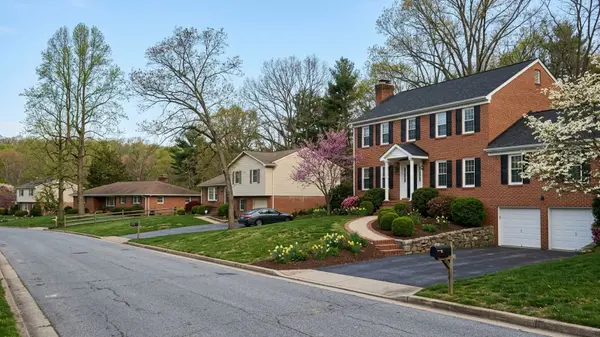
The maintained pathway system is genuinely useful - you can walk or bike between neighborhoods without touching a major road. Commercial access within each village means fewer car trips for daily errands. Those are real advantages.
The trade-off is layered approval processes. The Columbia Association sets the overarching rules, and then each village has its own architectural committee on top of that. Paint your front door the wrong color, put up a fence, add a deck - any of that requires approval first. For some buyers that's a minor inconvenience. For others it's a dealbreaker. Know which camp you're in before you start touring homes.
Housing Costs and the Columbia, MD Real Estate Market
The market is competitive. As of mid-2026, the median home price sits around $509,700, and available homes are spending roughly 22 days on the market before going under contract. Inventory sits at about 1.4 months of supply. Over half of recent sales closed above the original list price.
That last number is the one to pay attention to. You're not shopping in a market where you can lowball and negotiate your way in.
Home Prices and Property Taxes
The $509,700 median reflects the middle of the market across townhomes, condominiums, and single-family detached houses. Larger single-family homes routinely sell for substantially more.
Your monthly carrying costs here include Howard County property taxes and the CPRA annual charge. Run both numbers before you decide what you can afford - the CPRA charge is real money, and buyers sometimes forget to account for it when they're comparing options across the county.
Renting and Everyday Expenses
If you want to rent before buying, you'll find several apartment complexes concentrated near Columbia Town Center. Renters don't pay property taxes or CPRA assessments directly, though those costs typically show up in the monthly rent regardless.
General living expenses - groceries, utilities - track with broader Howard County averages. The village structure does cut down on drive time for basic errands, which is a small but genuine quality-of-life factor over the long run.
Columbia, MD Neighborhoods and Villages
The community is divided into distinct villages, each built around a central commercial area. Grocery store, gas station, smaller retail shops - that's the standard village center template.
Each village also has its own architectural committee sitting on top of the Columbia Association's overarching rules. That's the governance layer most buyers don't fully register until they're already under contract.
The Village Concept
The original master plan built these villages to function as semi-independent neighborhoods within the larger town. Architectural styles and housing types vary from one village to the next - not dramatically, but enough that it's worth paying attention when you tour.
The Columbia Association handles the big shared amenities. The individual village boards handle exterior home alterations and local neighborhood disputes. You'll want to read the specific village rules before you make an offer, not after.
Living in Columbia Town Center
Town Center is the urban-format option within Columbia - mostly condominiums and mid-rise apartment buildings, walkable to the mall, outdoor concert venues, and larger office buildings. It's genuinely walkable in a way most of the residential villages aren't.
If that environment appeals to you, it's worth narrowing your search here. If you want a yard and a single-family home, the outlying villages are where you'll spend your time.
Dining and Entertainment in Columbia Town Center
Town Center is where the area's major entertainment venues concentrate - a large indoor mall, an outdoor music pavilion, and a man-made lake. The design intent was to keep large-scale commercial activity in the central core and leave the residential villages quieter. It mostly works.
These amenities draw visitors from across Howard County and neighboring regions, so Town Center has real foot traffic in a way the villages don't.
Restaurants and Shopping
The dining options around the lakefront run from national chains to upscale steakhouses to local cafes, with outdoor seating when the weather cooperates. Retail covers the full range - the enclosed mall, open-air shopping plazas, everyday retail, clothing, specialty shops - all reachable within a short drive from any of the residential villages.
Local Events and Recreation
The outdoor amphitheater hosts major touring musicians and festivals through the summer. That means weekend event traffic and parking pressure in the Town Center district - something to factor in if you're considering a condo in the core.
The Columbia Association also organizes seasonal events for residents throughout the year. The pathway system connects the village centers to Town Center's lake and provides year-round outdoor recreation without needing a car.
Where to Stay When Scouting Columbia, MD
Columbia Town Center has the highest concentration of hotels, and staying there makes sense for a scouting trip. You can test walkability, traffic patterns, and the general feel of the commercial core firsthand - which is useful even if you're planning to buy in one of the residential villages.
Pricing and availability shift based on the event calendar at the amphitheater, so check what's happening on the weekend you're visiting.
Hotels in Columbia Town Center
Several recognizable hotel brands operate mid-rise properties right in the commercial core, within walking distance of the lakefront restaurants and the mall. It's the right base if you want to spend your evenings in the walkable dining district and your days driving out to tour villages.
Hotels Near Columbia Town Center
If Town Center properties are booked out or running concert-weekend prices, look along the major highway interchanges just outside the district. Access is quick from those locations, and they actually give you a better read on what the daily commuter experience feels like - which is worth knowing if you're going to be doing it five days a week.
Frequently Asked Questions
How much are the Columbia Association (CPRA) fees and does every homeowner in Columbia, MD have to pay them?
Most homeowners must pay the annual CPRA charge, which is calculated based on the property's assessed value. A small number of older, pre-existing neighborhoods within the area are exempt, but the vast majority of properties are subject to the mandatory fee.
How do the different villages in Columbia compare when choosing where to buy a home?
The layout is similar across villages - central commercial hub, residential neighborhoods around it - but they vary in age, architectural style, and housing types. Tour more than one village before you decide, and pay attention to each village's specific architectural committee rules, because those vary too.
What is the daily commute like for residents traveling from Columbia, MD to Washington D.C. or Baltimore?
You're driving. Columbia doesn't have a dedicated metro station, so commuters either drive the full route to D.C. or Baltimore or drive to train stations in neighboring counties for rail access. Travel times vary significantly with rush-hour traffic.
How does the cost of housing in Columbia compare to nearby Howard County towns like Ellicott City?
The median home price here sits around $509,700, covering a mix of townhomes and single-family houses. When you're comparing Columbia to other Howard County towns like Ellicott City, run the total monthly cost - property taxes plus the CPRA charge - not just the purchase price.
What are the most common HOA or architectural restrictions buyers need to know about before moving to Columbia?
Exterior changes - painting, fences, decks - require approval from your specific village architectural committee before you do anything. These rules apply community-wide and exist to maintain a consistent appearance across the master-planned community.
How competitive is the Columbia, MD real estate market for buyers right now?
Very. Homes are spending about 22 days on the market, inventory sits at 1.4 months of supply, and over half of recent sales closed above asking price. If you find something you want, move on it.
FROM OUR BLOG
Selling a Home with a Probate Real Estate Agent in Columbia, MD
The median home sale price in Columbia, MD is currently around $510,000, and available homes spend roughly 25 days on the market before going under contract. For those buying a home in Columbia, MD, the market moves quickly. For executors and administrators managing an estate, those fast-moving mark
Best Real Estate Agent for Estate Sales in Ellicott City, MD: Jim Bim
Jim Bim has closed over 5,000 career transactions as the Broker and Owner of Winning Edge Real Estate. Finding the right agent for an estate sale in Ellicott City, MD comes down to what the executors and heirs need - someone who understands timelines, can handle the logistics, and knows how to price
Choosing Between an Estate vs Trust in Ellicott City, MD
The median sale price for a home in Ellicott City, MD recently hit roughly $761,000. For most homeowners, that's the single largest financial asset they'll ever own - and figuring out how to pass it on to the next generation means choosing a legal path before you need one. If your family is ever tas
Welcome to Winning Edge Real Estate a Family Owned and Operated Real Estate Brokerage where Winning Matters. We serve all of your real estate needs in and around the Baltimore / Washington Corridor. The Company is run by Jim Bim, Broker of Record, his son's Grant Bim and Weston Bim are Sales people within the company. Jim, Grant and Weston work to help their Sellers & Buyers accomplish their real estate goals while the Office Manager, Valerie Bim, and our Assistant, Kimberly make sure that homes go from "FOR SALE" to "SOLD" smoothly while making sure to keep you informed every step of the way. As real estate specialists we are experts in representing both home Sellers and home Buyers. We can help with general residential home / town home / condo resale, new homes, custom home construction, land sale, sub dividing acreage, as well as investment property. We are very knowledgeable of Howard County, Maryland as we have lived in the area for 40+ years. Due to our clients moving throughout the state, we also are very knowledgeable of Anne Arundel County, Carroll County, Frederick County, Baltimore County and Montgomery County. We actively work on a daily basis in areas that include: Fulton, Ellicott City, Columbia, Mount Airy, Clarksville, Woodstock, Jessup, Marriottsville, Glenelg, Glenwood, West Friendship, and everywhere in between. We also service Western Baltimore County which includes Arbutus, Halethorpe, Catonsville, Owings Mills and Reisterstown. We provide a free Maryland Real Estate search where we feature Howard County, Carroll County, Baltimore County, and Anne Arundel County real estate that will allow you to find homes, condos, townhomes, new homes, luxury homes, or even acreage, lots, or investment properties. Do you want to invest for your future, but you are not sure how to make the leap to become a real estate investor? We can help you find the right money making property, rent your property, and manage your property. If you have the desire to be a real estate investor, then we have the knowledge and know how to get you to real estate investor success. Quick Stats/Highlights: 100% of asking price (average) 63+ active listings Serving: 8 Maryland counties Hundreds of 5-star reviews