
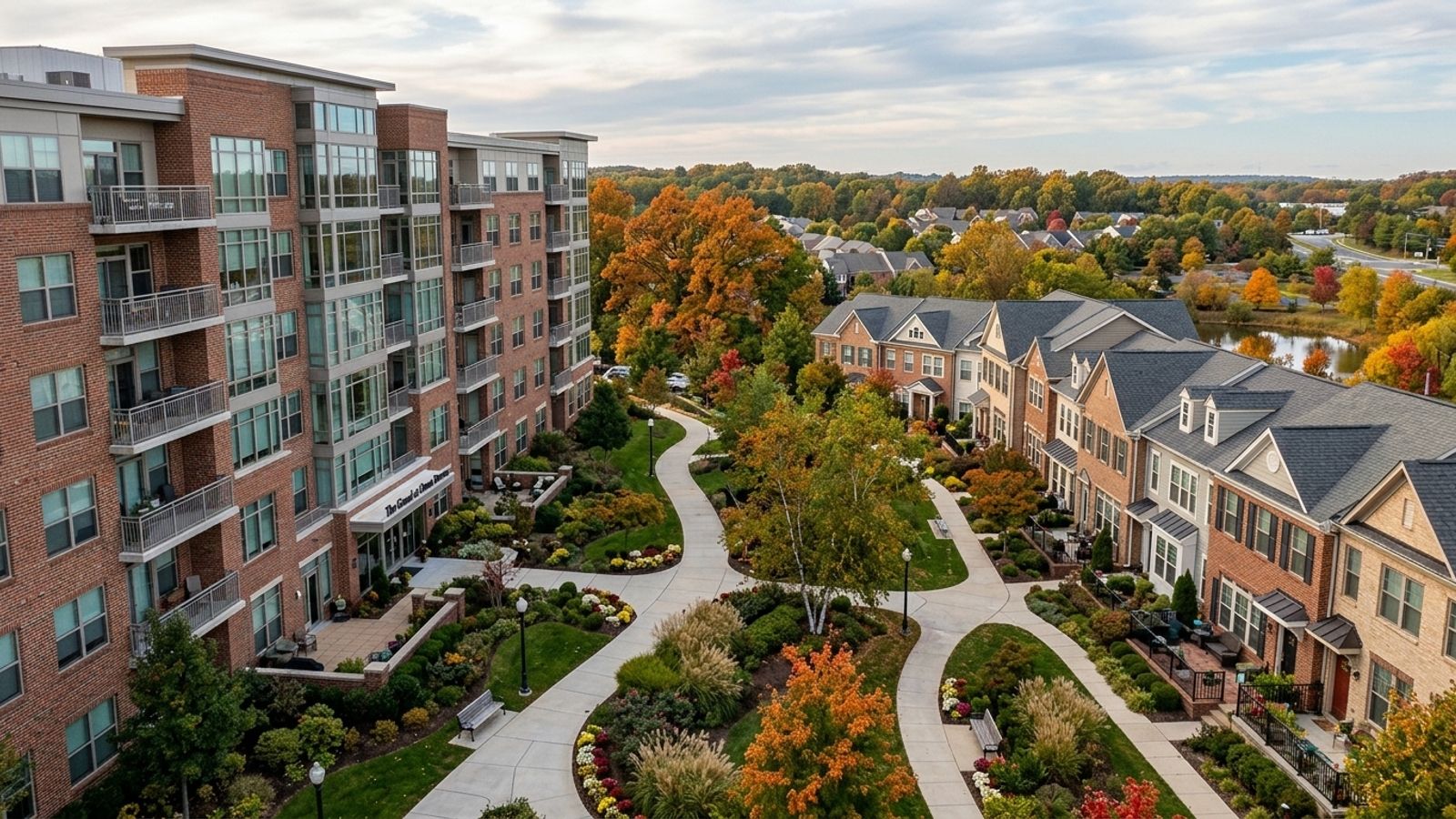
The median home price in Columbia, MD sits around $509,700, and what's available moves fast. Homes are selling in roughly 22 days, with about 53% of transactions closing above asking. If you're shopping for a retirement community and weighing the pros and cons of living in Columbia, MD, you're doing it in a market that only carries about 164 total homes at any given time - competitive doesn't quite cover it.
Columbia offers a real mix of what you might need: residential 55+ developments, continuing care facilities, senior apartments. Getting to the right fit means comparing monthly fees, understanding what level of care each option actually provides, and being ready to move when something opens up.
Understanding the Senior Housing Landscape in Columbia, MD
Columbia was designed as a master-planned community, which means senior housing isn't tucked away at the edges - it's woven into the villages. You'll find high-rise apartments, townhome clusters, and everything in between. The catch is that the market is running at just 1.4 months of housing supply, so when the right unit appears, you don't have much time to think it over.
One thing worth understanding before you start is the legal framework behind these communities. Under the federal Housing for Older Persons Act (HOPA), a 55+ community must ensure that at least 80% of its occupied units have at least one resident who is 55 or older. That 80/20 rule isn't a suggestion - it's the standard these neighborhoods have to meet to keep their age-restricted status and enforce their own rules.
Types of Senior Living Facilities and Neighborhoods
Columbia's senior housing market breaks down into several distinct categories, and the right one for you depends on a pretty fundamental question: do you want to own real estate, rent an apartment, or have medical care available on-site?
That distinction matters more than most buyers realize upfront. The general Columbia market mixes standard residential listings right alongside specialized senior facilities, so filtering by care type and ownership structure early will save you a lot of time.
Active-Adult Neighborhoods
These are for people who want to own their home and live independently - without the weekend chore of mowing the lawn or shoveling the driveway. Properties are typically condos, villas, or single-family homes governed by a homeowners association. The HOA handles landscaping, snow removal, and exterior repairs in exchange for a monthly fee.
What you won't get here is medical care or daily assistance from community staff. The focus is lifestyle: clubhouses, fitness centers, organized social events. It's ownership without the maintenance headaches.
Independent Living Options
Think of independent living facilities as all-inclusive for older adults. You either rent an apartment or pay an upfront buy-in fee to live in a community that handles daily meals, housekeeping, and transportation. No medical assistance, but also no cooking and no driving if you don't want to. The monthly fee covers housing and hospitality, which makes budgeting more straightforward.
Assisted Living and Care Facilities
Assisted living is a different category entirely. These facilities provide hands-on support for activities of daily living - bathing, dressing, medication management - with trained caregivers and nursing professionals on-site around the clock. Residents live in private or semi-private suites on personalized care plans. The cost covers both room and board and whatever level of medical assistance you actually need.
Continuing Care Retirement Communities
Continuing Care Retirement Communities (CCRCs) are built around the idea that you shouldn't have to move again. These campuses put independent living, assisted living, and skilled nursing care all in one place. You come in through independent living and transition to higher levels of care as your needs change - same community, different level of support. For a lot of people, that continuity is the whole point.
Senior Apartments and Affordable Options
Senior apartments are age-restricted rental buildings for independent older adults. They offer standard lease agreements, without the meal plans or housekeeping you'd find in a full independent living facility. Some operate under affordable housing programs with income-restricted units for qualifying seniors. If that's relevant to your situation, verify the income limits and waitlist procedures directly with those specific communities - the details vary.
Locations and Communities to Consider
Columbia is divided into distinct villages, and senior housing is spread across them rather than concentrated in one area. As you compare locations, you'll want to think about village amenities, how close you are to shopping, and what your transit options look like.
The property types genuinely differ depending on which part of Columbia you're targeting.
Proximity to Town Center and Wilde Lake
Here's something that surprises a lot of buyers: there's no dedicated age-restricted 55+ subdivision of single-family homes within the Wilde Lake or Town Center villages themselves. If detached age-restricted homes are what you're after, you'll need to widen your search to other parts of Howard County.
Renters have more to work with in this area. The Evergreens at Columbia Town Center is a 55+ apartment community near Lake Kittamaqundi, with close access to The Mall in Columbia and the Merriweather Post Pavilion.
Renting Versus Buying Your Next Home
Buying in this market means competing in an environment where the average sale-to-list ratio runs around 102%. Have your financing sorted before you start touring - you won't have time to get it together after you find something you like.
Renting gives you flexibility and sidesteps the upfront costs of a down payment and closing fees. It also lets you spend time in a specific village or facility before you commit to a purchase. That's not a bad way to approach a decision this significant.
Costs and Fees for Senior Housing in Columbia, MD
The sticker price or base rent is just the starting point. Columbia's broader market is competitive - 361 homes sold recently, with prices holding around the $509,000 mark - and senior communities add financial layers on top of that: monthly dues, entrance fees, care costs.
Review these fee structures early. The surprises in this category are rarely pleasant ones.
Monthly Rent for Senior Apartments
General apartment rents in Columbia average around $1,960 per month, with typical rents falling between $1,910 and $2,850 depending on unit size, building amenities, and location. Age-restricted senior apartments generally align with those broader market averages unless they're operating under an affordable housing program. Ask upfront whether utilities and parking are included in the base rate.
HOA Dues and CCRC Entrance Fees
Sample listings in Columbia show condo and townhome HOA dues ranging from roughly $13 to $693 per month. Some luxury condo units carry monthly fees exceeding $1,700 - a number that will factor directly into your debt-to-income ratio and what a lender will approve.
For CCRCs, Maryland facilities generally follow national pricing patterns. Entrance fees typically range from $100,000 to $2 million, with a national average around $400,000. Monthly CCRC fees in the state span from under $1,000 to over $12,000 depending on the level of care.
Evaluating Columbia, MD for Your Retirement
Columbia's planned infrastructure, extensive walking paths, and position in the Baltimore-Washington metropolitan area make it a draw for older adults. The suburban lifestyle here comes with immediate access to major highways and transit hubs - that central location is genuinely useful as you age.
It also comes with a price tag to match.
Cost of Living Expectations
The numbers are straightforward: Columbia's cost of living index sits at 138, which puts it roughly 24% to 38% more expensive than the U.S. baseline of 100. That's real money on a fixed retirement income.
The offset - and it's a meaningful one - is that data shows living costs here run about 27% lower than Maryland's overall state average. So while Columbia isn't cheap by any national measure, it's not the most expensive corner of this state either.
Healthcare Access and Walkability
Columbia's paved pathway system connects many neighborhoods with miles of accessible walking routes separated from road traffic, so residents can reach local village centers and parks without always depending on a car. That matters more as years go on.
The location between Baltimore and Washington puts a wide network of regional medical providers and specialists within reach. Major hospital systems and outpatient clinics are accessible via Route 29 or Interstate 95.
Weighing the Drawbacks and Benefits
Moving into an age-restricted neighborhood or a care facility changes your daily routine and your financial obligations. Neither the perks nor the restrictions should catch you off guard.
Advantages of Age-Restricted Neighborhoods
The main appeal is simple: you hand off exterior maintenance. The association handles landscaping, snow removal, and exterior repairs, which means you can travel or relax without the property pulling you back. For a lot of retirees, that trade-off is the whole point.
These communities also tend to be built for the long haul. Builders focus on single-level floor plans, wide doorways, walk-in showers, and minimal stairs - design choices that make practical sense as you age.
Drawbacks of Assisted Living and 55+ Rules
HOAs in these communities enforce rules on exterior modifications, pet ownership, and the age of additional occupants. Some homeowners find that level of regulation genuinely uncomfortable. It's worth reading the governing documents before you fall in love with a unit.
The financial side is the other reality check. High monthly fees and large CCRC entrance requirements price some buyers out entirely, pushing them toward standard residential neighborhoods instead.
How to Tour and Select a Community
A community can look impeccable on a guided tour and still have deferred maintenance problems or management issues underneath the surface. Visiting in person is necessary; it's just not sufficient on its own.
Buyers should request the association's resale package. Renters should ask for a sample lease. These documents tell you what the rules actually are and what you're actually paying for - not the brochure version.
Questions to Ask the Sales Office
Ask about the history of fee increases and current waitlist times. How often the board has raised monthly dues tells you more about your future costs than any promotional material will. Ask what the monthly fee specifically covers - meals, transportation, internet, property taxes - and what gets billed separately. The gap between those two lists is where budgets get stretched.
Reviewing Association Documents
Pull the HOA's reserve fund balance and read the recent meeting minutes. A well-funded reserve means the community can handle a roof replacement or repaving project without hitting residents with a special assessment. Meeting minutes will flag any major projects in the pipeline - clubhouse renovations, siding replacement - because those costs eventually find their way to the homeowners.
Frequently Asked Questions
What are the average HOA fees and buy-in costs for 55+ communities in Columbia, MD?
HOA fees for typical Columbia condos and townhomes range from roughly $13 to $693 per month, though luxury units can exceed $1,700. For Continuing Care Retirement Communities (CCRCs), entrance fees typically range from $100,000 to $2 million, mirroring the national average of about $400,000.
Do residents of Columbia retirement communities still have to pay the annual Columbia Association (CPRA) charge?
Properties located within the assessed boundaries of Columbia are generally subject to the annual Columbia Association charge. Check the specific property address and association documents to confirm whether this fee applies to your neighborhood.
Can a spouse or adult child under 55 live with me in a Columbia age-restricted neighborhood?
Under the 80/20 rule, a 55+ community must have at least 80% of its occupied units housing one person who is 55 or older. Spouses or adult children under 55 can often live in the home, but the community's specific HOA rules will dictate the exact age minimums for additional residents.
What is the difference between buying a 55+ condo in Columbia versus moving into a Continuing Care Retirement Community (CCRC)?
Buying a 55+ condo means purchasing real estate and paying monthly HOA dues, which in Columbia can range up to $693 or more. Moving into a CCRC usually involves a large entrance fee - often between $100,000 and $2 million - plus a monthly fee covering housing and a tiered continuum of medical care as your needs change.
How far in advance do I need to join the waitlist for independent living communities in Columbia, MD?
Waitlist times vary by facility and unit type. Because the broader Columbia housing market is tight - about 1.4 months of supply with homes selling in roughly 22 days - buyers and renters should contact communities several months to a year in advance to secure a spot.
Are there special resale restrictions or hidden transfer fees when buying into a Columbia 55+ neighborhood?
Yes. Many age-restricted communities enforce specific resale rules to maintain their 80/20 age compliance. Review the HOA documents for any mandatory transfer fees, capital contribution charges, or restrictions on selling to buyers under 55.
FROM OUR BLOG
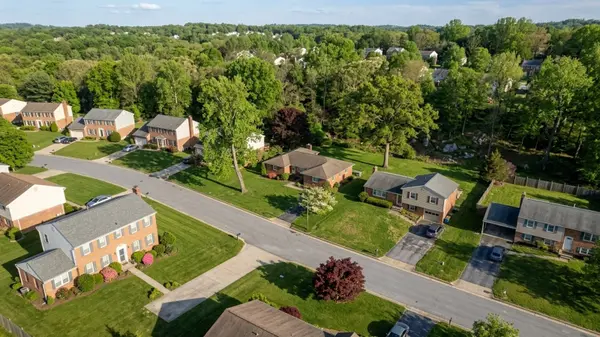
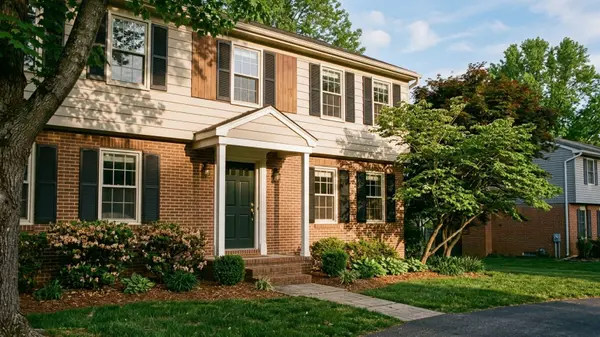
Selling a Home with a Probate Real Estate Agent in Columbia, MD
The median home sale price in Columbia, MD is currently around $510,000, and available homes spend roughly 25 days on the market before going under contract. For those buying a home in Columbia, MD, the market moves quickly. For executors and administrators managing an estate, those fast-moving mark
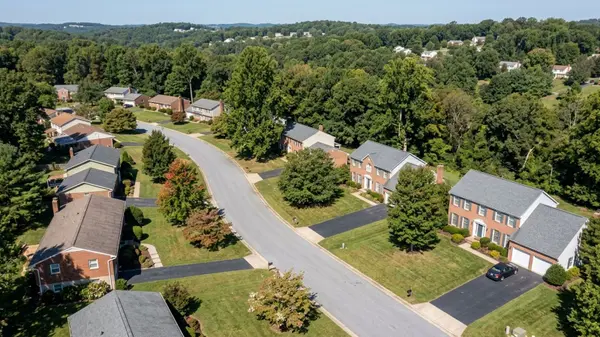
Best Real Estate Agent for Estate Sales in Ellicott City, MD: Jim Bim
Jim Bim has closed over 5,000 career transactions as the Broker and Owner of Winning Edge Real Estate. Finding the right agent for an estate sale in Ellicott City, MD comes down to what the executors and heirs need - someone who understands timelines, can handle the logistics, and knows how to price
Choosing Between an Estate vs Trust in Ellicott City, MD
The median sale price for a home in Ellicott City, MD recently hit roughly $761,000. For most homeowners, that's the single largest financial asset they'll ever own - and figuring out how to pass it on to the next generation means choosing a legal path before you need one. If your family is ever tas
Welcome to Winning Edge Real Estate a Family Owned and Operated Real Estate Brokerage where Winning Matters. We serve all of your real estate needs in and around the Baltimore / Washington Corridor. The Company is run by Jim Bim, Broker of Record, his son's Grant Bim and Weston Bim are Sales people within the company. Jim, Grant and Weston work to help their Sellers & Buyers accomplish their real estate goals while the Office Manager, Valerie Bim, and our Assistant, Kimberly make sure that homes go from "FOR SALE" to "SOLD" smoothly while making sure to keep you informed every step of the way. As real estate specialists we are experts in representing both home Sellers and home Buyers. We can help with general residential home / town home / condo resale, new homes, custom home construction, land sale, sub dividing acreage, as well as investment property. We are very knowledgeable of Howard County, Maryland as we have lived in the area for 40+ years. Due to our clients moving throughout the state, we also are very knowledgeable of Anne Arundel County, Carroll County, Frederick County, Baltimore County and Montgomery County. We actively work on a daily basis in areas that include: Fulton, Ellicott City, Columbia, Mount Airy, Clarksville, Woodstock, Jessup, Marriottsville, Glenelg, Glenwood, West Friendship, and everywhere in between. We also service Western Baltimore County which includes Arbutus, Halethorpe, Catonsville, Owings Mills and Reisterstown. We provide a free Maryland Real Estate search where we feature Howard County, Carroll County, Baltimore County, and Anne Arundel County real estate that will allow you to find homes, condos, townhomes, new homes, luxury homes, or even acreage, lots, or investment properties. Do you want to invest for your future, but you are not sure how to make the leap to become a real estate investor? We can help you find the right money making property, rent your property, and manage your property. If you have the desire to be a real estate investor, then we have the knowledge and know how to get you to real estate investor success. Quick Stats/Highlights: 100% of asking price (average) 63+ active listings Serving: 8 Maryland counties Hundreds of 5-star reviews