
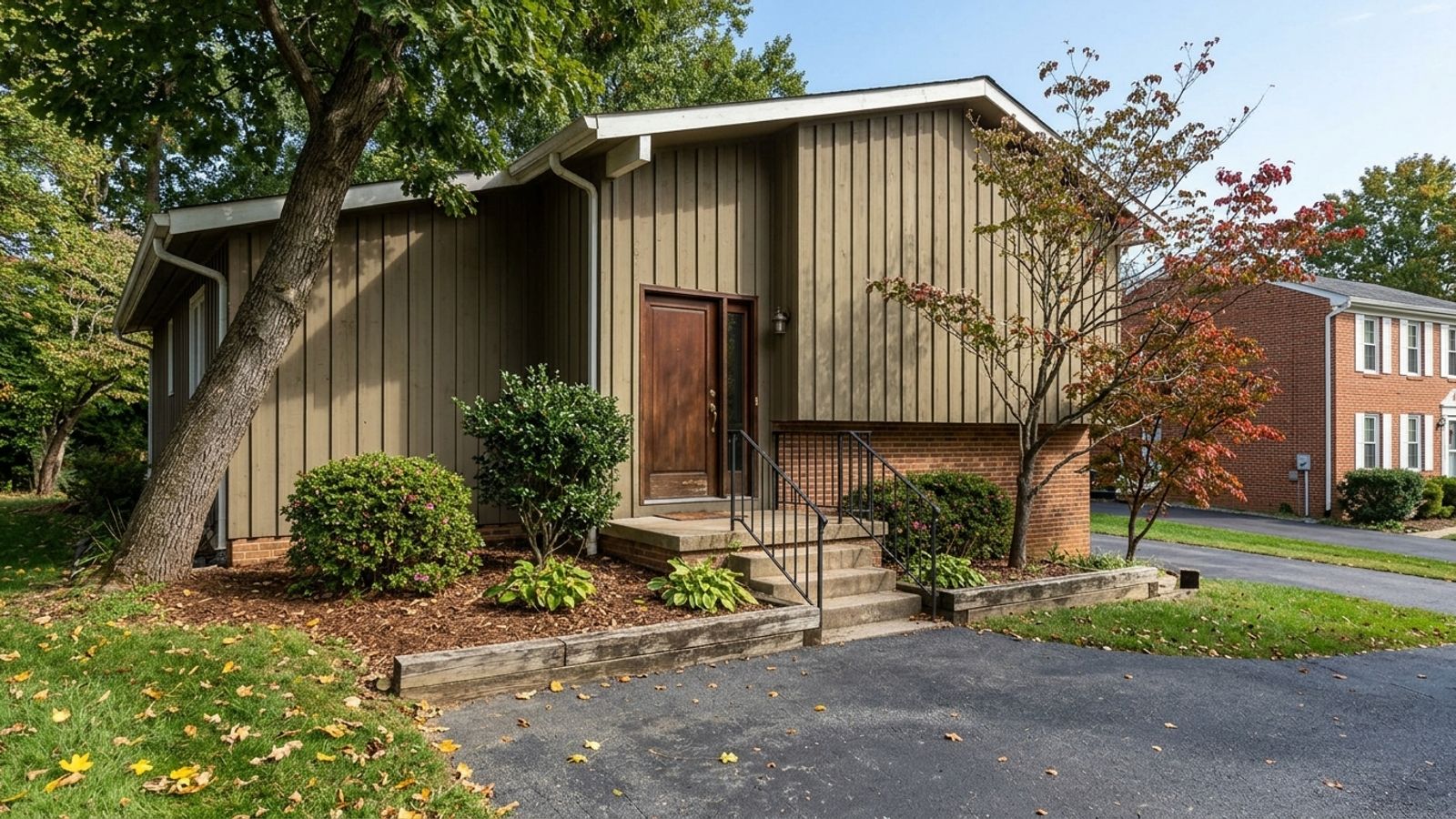
Columbia's median home price is sitting around $510,000 right now, and homes are moving in roughly 25 days. But when an inherited property hits the market, that clock doesn't necessarily start the moment the family is ready to sell. Even with a probate real estate agent in Columbia, MD ready to help, the legal status of the home - specifically how the deceased owner held the title - determines when a sale can even begin, and how smoothly it runs from there.
There are two paths you'll encounter with these properties: trust sales and probate sales. A home held in a living trust sidesteps the court system entirely, giving the successor trustee direct authority over the transaction. A home without that structure - no trust, no joint ownership - goes through Howard County's probate process before anything can close. Same house, very different experience.
The Basics of Trust and Probate Real Estate Sales
Before a deed can transfer, someone has to have the legal authority to sign it. That's the central question in every inherited property sale, and the answer depends entirely on what the deceased owner did - or didn't do - before they passed.
Buyers will notice real differences in timeline and documentation depending on which path applies. Sellers managing an estate have specific legal steps to follow, and skipping them isn't an option.
How a Trust Sale Operates
A home held in a living trust is already legally separated from the deceased owner's personal estate. The successor trustee has immediate authority to list the property, negotiate offers, and sign closing documents - no court involved, no waiting on a judge.
That matters in a market like Columbia's, where inventory sits at about 1.5 months of housing supply. A trustee can move the moment they're ready.
The Probate Process in Howard County
When someone dies without a trust, the estate goes through probate. The court appoints a personal representative or executor to handle the deceased's assets, and that includes any real estate.
Court approval is required at multiple stages. The personal representative can't simply call an agent and sign a listing agreement - they need the court to grant letters of administration first, and that takes time.
Impact on the Columbia Real Estate Market
The legal structure behind a sale has a direct effect on timing. Columbia averages 25 days on market, but probate properties routinely run longer than that before they ever get to the closing table. If you're a buyer with a hard move-in deadline, that's worth knowing before you fall in love with an estate property.
Sellers working as executors or trustees owe buyers clear communication about where things stand legally. Surprises mid-transaction are how deals fall apart.
Pricing and Property Condition
Both trust and probate properties tend to sell as-is. Trustees and executors usually don't have detailed knowledge of the home's maintenance history, plumbing quirks, or past repairs - and they're not in a position to make upgrades before closing.
That sometimes means these homes list a bit below Columbia's $510,000 median. But don't assume that means a bargain goes unnoticed. With local homes recently selling at an average of 1.01 times list price, a well-priced estate property will still draw multiple offers from buyers who don't mind rolling up their sleeves.
Timelines and Closing Delays
A trust sale runs like a standard transaction. Once both sides agree on terms, you're looking at a typical 30- to 45-day closing window.
Probate is different. The court has to approve the final sale, and court schedules don't bend for anyone's moving plans. That approval can push the closing date back by weeks or months. If you're a buyer, build that flexibility into your plans before you submit an offer.
What Buyers and Sellers Need to Know
These transactions require real coordination - between agents, attorneys, and title companies. The documentation the title company needs varies depending on whether you're dealing with a trust or a probate estate, and getting that paperwork wrong delays everyone.
Buyers should work with an agent who knows the specific addendums these sales require. Sellers need every relevant court or trust document ready before the title search begins.
Managing the Transaction Paperwork
For a trust sale, the title company will ask for a copy of the trust agreement and a certification of trust. Those documents establish that the trustee has the legal right to sell on behalf of the trust - without them, the title company can't move forward.
In a probate sale, the title company needs the death certificate and the court-issued letters of administration. If the will requires court approval of the sale itself, a formal court order has to be in hand before a title insurance policy can be issued.
Finalizing the Sale
Probate buyers need to stay flexible. Court schedules shift, and a closing date that looks solid can move. Locking in a mortgage rate for an extended period is worth considering if you're under contract on a probate property.
Trust sellers, on the other hand, can move forward with real confidence once inspections and appraisal contingencies are cleared. One detail that surprises some people: the proceeds from either type of sale go into the trust or estate bank account - not anyone's personal account.
Frequently Asked Questions
Is there a difference in home prices between trust sales and probate sales in Columbia, MD?
It depends. The legal status doesn't dictate price on its own - both types are typically sold as-is by heirs or representatives. What does affect price is condition. Homes in either category that need significant work often list below the Columbia median of $510,000.
What types of homes are typically available as probate sales versus trust sales in Columbia?
The same variety you'd find anywhere in the area - townhomes, detached single-family houses, the full range. The trust-versus-probate distinction has nothing to do with architectural style or lot size. It only reflects how the deceased owner held the title.
How much faster is selling an inherited house held in a trust compared to going through Howard County probate?
Considerably faster. A trustee doesn't need court approval to list or sell, so the property can follow the standard market timeline - currently averaging about 25 days on market in Columbia. Probate requires court appointments and approvals, which adds weeks or months before anything can close.
What are the differences in court fees and taxes when selling a Columbia home through a trust versus probate?
A trust sale avoids probate entirely, so the estate doesn't pay probate court fees on the property's value. A home going through probate is subject to administrative fees assessed by the local court based on the estate's total assets. Both sales remain subject to standard property taxes and real estate transaction costs.
Does the Howard County Register of Wills require different approvals to close on a probate house compared to a trust property?
Yes. The Register of Wills oversees probate and requires the executor to obtain letters of administration before the home can be sold. A trust property operates outside that system entirely - the trustee doesn't need approval from the Register of Wills to close.
Who has the legal authority to sign the real estate listing agreement for a Columbia home in probate versus one held in a trust?
In probate, it's the court-appointed personal representative or executor. For a trust property, it's the designated successor trustee. Two different people with two very different paths to getting that authority.
Can a buyer close and move into a Columbia property faster if purchasing from a living trust rather than an estate in probate?
Yes. A living trust purchase avoids the court system, which means a standard 30- to 45-day closing is realistic. Probate purchases wait on court sign-offs, and that waiting can push the move-in date back.
FROM OUR BLOG
Selling a Home with a Probate Real Estate Agent in Columbia, MD
The median home sale price in Columbia, MD is currently around $510,000, and available homes spend roughly 25 days on the market before going under contract. For those buying a home in Columbia, MD, the market moves quickly. For executors and administrators managing an estate, those fast-moving mark
Best Real Estate Agent for Estate Sales in Ellicott City, MD: Jim Bim
Jim Bim has closed over 5,000 career transactions as the Broker and Owner of Winning Edge Real Estate. Finding the right agent for an estate sale in Ellicott City, MD comes down to what the executors and heirs need - someone who understands timelines, can handle the logistics, and knows how to price
Choosing Between an Estate vs Trust in Ellicott City, MD
The median sale price for a home in Ellicott City, MD recently hit roughly $761,000. For most homeowners, that's the single largest financial asset they'll ever own - and figuring out how to pass it on to the next generation means choosing a legal path before you need one. If your family is ever tas
Welcome to Winning Edge Real Estate a Family Owned and Operated Real Estate Brokerage where Winning Matters. We serve all of your real estate needs in and around the Baltimore / Washington Corridor. The Company is run by Jim Bim, Broker of Record, his son's Grant Bim and Weston Bim are Sales people within the company. Jim, Grant and Weston work to help their Sellers & Buyers accomplish their real estate goals while the Office Manager, Valerie Bim, and our Assistant, Kimberly make sure that homes go from "FOR SALE" to "SOLD" smoothly while making sure to keep you informed every step of the way. As real estate specialists we are experts in representing both home Sellers and home Buyers. We can help with general residential home / town home / condo resale, new homes, custom home construction, land sale, sub dividing acreage, as well as investment property. We are very knowledgeable of Howard County, Maryland as we have lived in the area for 40+ years. Due to our clients moving throughout the state, we also are very knowledgeable of Anne Arundel County, Carroll County, Frederick County, Baltimore County and Montgomery County. We actively work on a daily basis in areas that include: Fulton, Ellicott City, Columbia, Mount Airy, Clarksville, Woodstock, Jessup, Marriottsville, Glenelg, Glenwood, West Friendship, and everywhere in between. We also service Western Baltimore County which includes Arbutus, Halethorpe, Catonsville, Owings Mills and Reisterstown. We provide a free Maryland Real Estate search where we feature Howard County, Carroll County, Baltimore County, and Anne Arundel County real estate that will allow you to find homes, condos, townhomes, new homes, luxury homes, or even acreage, lots, or investment properties. Do you want to invest for your future, but you are not sure how to make the leap to become a real estate investor? We can help you find the right money making property, rent your property, and manage your property. If you have the desire to be a real estate investor, then we have the knowledge and know how to get you to real estate investor success. Quick Stats/Highlights: 100% of asking price (average) 63+ active listings Serving: 8 Maryland counties Hundreds of 5-star reviews