
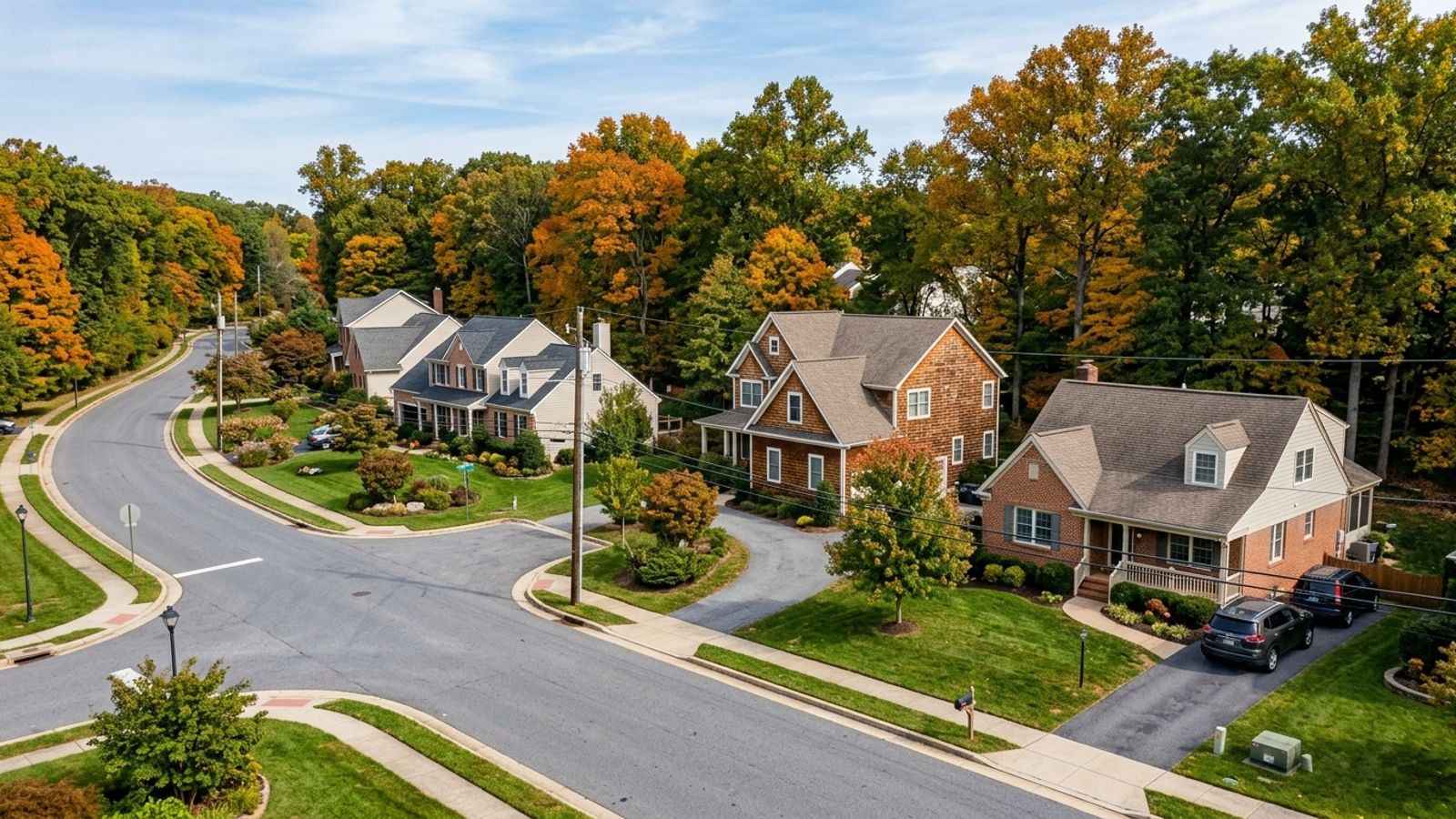
Columbia, Maryland sits at an elevation of about 407 feet above sea level, right in the transition zone between the coastal plains and the Piedmont Plateau. That geography gives the area a distinct four-season climate that shapes daily life and, more practically, local home maintenance. This climate is a major factor when weighing the pros and cons of living in Columbia, MD.
Buyers moving to the Baltimore-Washington corridor consistently want to know what the skies are going to do throughout the year - because weather influences everything from summer utility bills to winter snow removal contracts in the village neighborhoods.
Columbia Climate at a Glance
The area falls under the Köppen-Geiger classification of Cfa - a humid subtropical climate with no dry season. That means warm, humid summers and cool, occasionally snowy winters. What it doesn't mean is any reliable stretch of dry months where you can put your gutters out of your mind.
Precipitation here is distributed fairly evenly throughout the year. There's no distinct wet season and no distinct dry season, which means homes need reliable gutters and proper drainage systems regardless of the month. The constant atmospheric moisture also means the air rarely feels truly dry, even in January - and that baseline humidity has a lot to do with how hot or cold the temperature actually feels when you step outside.
Seasonal Temperatures and Monthly Averages
July is the hottest month, with average highs running between 85 and 88 degrees Fahrenheit and average lows around 69 degrees. Evenings stay warm. January is the opposite end of that - average highs hovering around 43 degrees, with nighttime lows dropping to about 26.
Those swings mean HVAC systems work hard year-round, and utility costs follow. Buyers should ask sellers for recent utility bills before closing so the seasonal spikes don't catch them off guard.
Spring and Fall Conditions
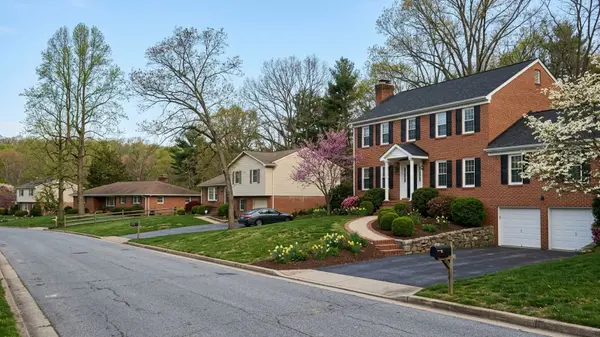
The shoulder seasons are the most forgiving. Spring warms steadily, clearing the last of the winter frost and bringing heavy blooms across the local parks. Fall cools gradually and opens up a comfortable window for roof inspections and exterior painting before freezing temperatures make that work impractical.
Many sellers aim to list during these milder months, and for good reason - buyer foot traffic peaks when the weather cooperates.
Rain, Snow, and Humidity Expectations
The area gets about 44 to 49 inches of rainfall annually. That's a meaningful number, and it's why sump pump maintenance and proper foundation grading aren't optional here - they're routine.
Winter brings roughly 17 to 25 inches of snowfall per year, though that varies widely depending on specific storm tracks. Some years it's a few light dustings. Others bring real accumulation that needs professional plowing. Buyers relocating from warmer climates should factor the cost of snow removal equipment or services into their carrying costs. Village associations handle common areas, but individual driveways are the homeowner's responsibility.
Year-Round Humidity
Annual humidity averages sit between 72 and 77 percent. That constant moisture level affects how homes breathe and ventilate, and it's worth keeping in mind when you're evaluating a home's mechanical systems.
Monthly averages do dip - down to around 60 or 62 percent in late winter and early spring, specifically February and March. By late summer and fall, August and November in particular, those monthly averages climb back up to around 68 or 69 percent.
Severe Weather and Natural Hazards
The region sits outside the country's primary tornado alleys, but severe weather still happens here. There's a slight-to-moderate severe thunderstorm risk that can bring damaging winds, hail, and occasional tornado watches or warnings. A 2024 event illustrated the point directly - straight-line winds reaching up to 75 mph caused widespread tree damage across several neighborhoods.
Mature trees are one of the things buyers love about this area. They're also a liability if they're not maintained. Regular arborist inspections are worth budgeting for. On the insurance side, standard policies usually cover wind and fallen tree damage, but it's smart to verify the deductible before you close rather than after a storm tests it.
How Weather Patterns Impact the Housing Market
The local market doesn't slow down much for weather. Homes are spending roughly 22 days on the market before going under contract, with about 1.4 months of supply and around 164 active listings. That's a tight inventory, and it means buyers have to move quickly regardless of what's happening outside.
The median sale price sits at approximately $510,000, reflecting a slight 4 percent decrease from last year. Demand has held up - homes are frequently selling for about 102 percent of list price. Spring and early fall see the highest volume of new listings, which lines up with the area's most comfortable weather, but serious buyers tour in January cold and July heat. Waiting for the perfect afternoon to go house hunting is a reliable way to miss the right house.
Frequently Asked Questions
How do Columbia's seasonal weather patterns affect the best time of year to list a home?
Spring and fall offer the most comfortable weather, and they're consistently the most active listing periods. Buyers are more willing to attend open houses when temperatures are moderate rather than during the July heat or January freezes. That said, with only around 164 active listings currently on the market, well-priced properties are moving year-round.
Are there specific neighborhoods in Columbia, MD prone to basement flooding during heavy spring rains?
Any home in the area can experience water intrusion given the 44 to 49 inches of annual rainfall. Properties at the bottom of hills or near local streams face higher risk. Buyers should hire a licensed inspector to check the basement for water marks and confirm the sump pump is functioning properly.
What seasonal home maintenance and utility costs should new buyers in Columbia budget for?
Expect higher electricity bills during those 85- to 88-degree July peaks, and higher heating costs when January nights drop to 26 degrees. Gutter cleaning is a regular task given the tree canopy, and you'll need a plan - equipment or a service contract - for the 17 to 25 inches of annual snowfall.
Do the local village HOAs in Columbia cover winter snow removal or storm debris cleanup?
Village associations handle snow removal and storm debris cleanup for community-owned paths and common areas. Individual homeowners are responsible for their own driveways, sidewalks, and private yards. After events like the 2024 straight-line wind storms, owners need to manage their own tree removal.
How do Maryland's winter freeze-thaw cycles impact home inspections and foundation integrity?
The constant cycling between freezing nights and warmer days causes soil to expand and contract against foundation walls. That movement can produce minor settling cracks or make existing drainage issues worse. A thorough home inspection will identify any structural concerns tied to those temperature swings.
What happens if a severe winter storm delays my scheduled closing or moving day in Howard County?
Title companies and lenders typically build in grace periods or allow remote signing if roads are impassable. If a moving truck can't safely reach the property due to snow, buyers and sellers usually agree to a short-term extension or post-occupancy agreement. Get ahead of it - contact your agent as soon as a storm looks like it might affect your timeline.
FROM OUR BLOG
Selling a Home with a Probate Real Estate Agent in Columbia, MD
The median home sale price in Columbia, MD is currently around $510,000, and available homes spend roughly 25 days on the market before going under contract. For those buying a home in Columbia, MD, the market moves quickly. For executors and administrators managing an estate, those fast-moving mark
Best Real Estate Agent for Estate Sales in Ellicott City, MD: Jim Bim
Jim Bim has closed over 5,000 career transactions as the Broker and Owner of Winning Edge Real Estate. Finding the right agent for an estate sale in Ellicott City, MD comes down to what the executors and heirs need - someone who understands timelines, can handle the logistics, and knows how to price
Choosing Between an Estate vs Trust in Ellicott City, MD
The median sale price for a home in Ellicott City, MD recently hit roughly $761,000. For most homeowners, that's the single largest financial asset they'll ever own - and figuring out how to pass it on to the next generation means choosing a legal path before you need one. If your family is ever tas
Welcome to Winning Edge Real Estate a Family Owned and Operated Real Estate Brokerage where Winning Matters. We serve all of your real estate needs in and around the Baltimore / Washington Corridor. The Company is run by Jim Bim, Broker of Record, his son's Grant Bim and Weston Bim are Sales people within the company. Jim, Grant and Weston work to help their Sellers & Buyers accomplish their real estate goals while the Office Manager, Valerie Bim, and our Assistant, Kimberly make sure that homes go from "FOR SALE" to "SOLD" smoothly while making sure to keep you informed every step of the way. As real estate specialists we are experts in representing both home Sellers and home Buyers. We can help with general residential home / town home / condo resale, new homes, custom home construction, land sale, sub dividing acreage, as well as investment property. We are very knowledgeable of Howard County, Maryland as we have lived in the area for 40+ years. Due to our clients moving throughout the state, we also are very knowledgeable of Anne Arundel County, Carroll County, Frederick County, Baltimore County and Montgomery County. We actively work on a daily basis in areas that include: Fulton, Ellicott City, Columbia, Mount Airy, Clarksville, Woodstock, Jessup, Marriottsville, Glenelg, Glenwood, West Friendship, and everywhere in between. We also service Western Baltimore County which includes Arbutus, Halethorpe, Catonsville, Owings Mills and Reisterstown. We provide a free Maryland Real Estate search where we feature Howard County, Carroll County, Baltimore County, and Anne Arundel County real estate that will allow you to find homes, condos, townhomes, new homes, luxury homes, or even acreage, lots, or investment properties. Do you want to invest for your future, but you are not sure how to make the leap to become a real estate investor? We can help you find the right money making property, rent your property, and manage your property. If you have the desire to be a real estate investor, then we have the knowledge and know how to get you to real estate investor success. Quick Stats/Highlights: 100% of asking price (average) 63+ active listings Serving: 8 Maryland counties Hundreds of 5-star reviews