
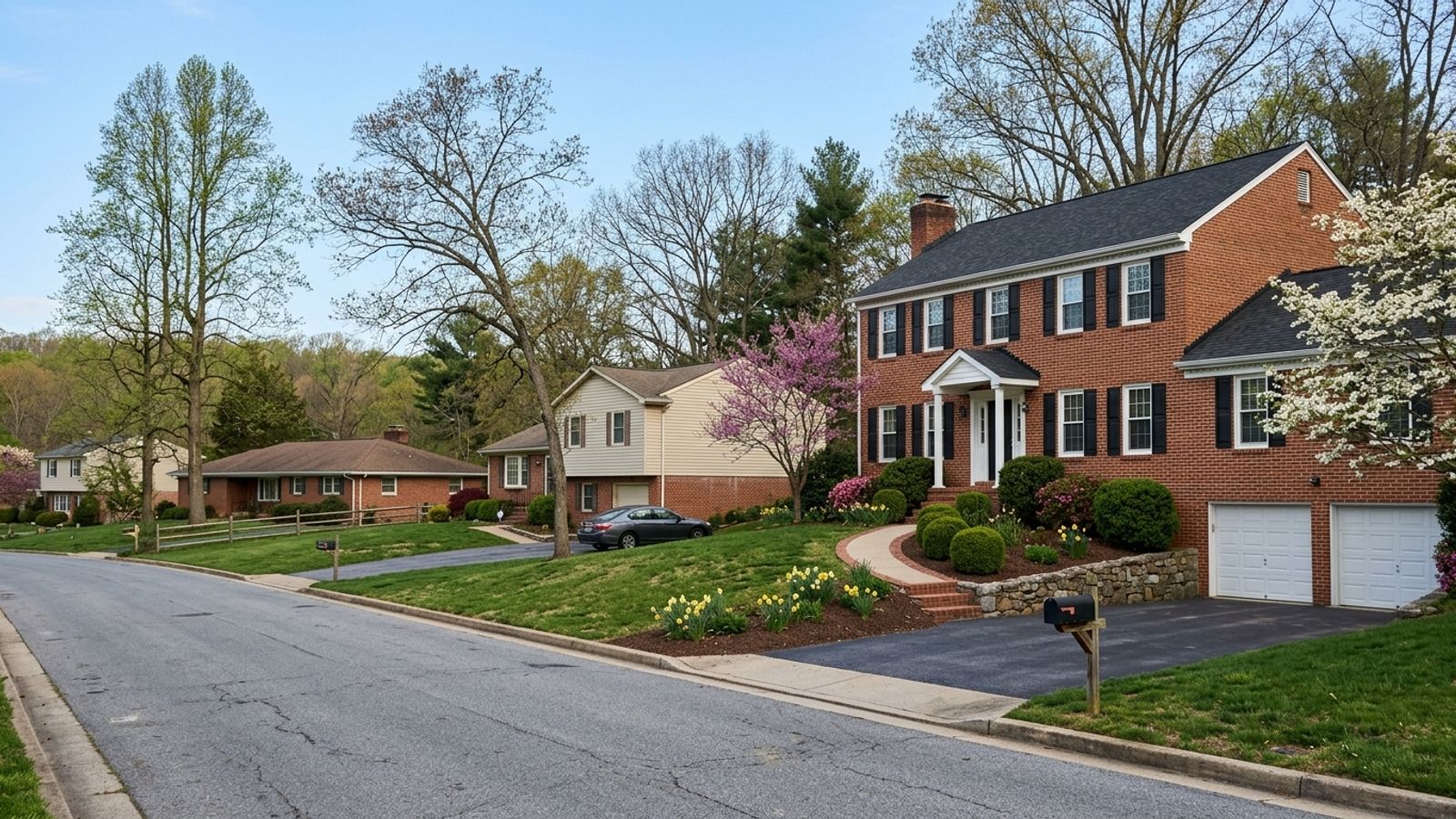
The median sale price for a home in Ellicott City, MD recently hit roughly $761,000. For most homeowners, that's the single largest financial asset they'll ever own - and figuring out how to pass it on to the next generation means choosing a legal path before you need one. If your family is ever tasked with selling a house in an estate in Ellicott City, MD, the legal structure you set up today will dictate their options.
There are two vehicles that most homeowners use: a traditional estate directed by a will, or a living trust. Each one dictates how the title transfers, who manages the process, and how long your beneficiaries wait before they can take ownership or sell the house.
That last part matters more than people realize. Ellicott City homes are averaging just 20 days on the market right now. If your heirs plan to sell, the framework you set up today determines whether they can list immediately or spend the better part of a year waiting for a judge.
How Property Title Transfers After Death
A property's deed dictates who has the legal right to sell or transfer the home - and when a homeowner passes away, the name on that deed determines what happens next.
With a standard estate, the property stays in the deceased owner's name until a legal process transfers it out. A court-appointed executor takes responsibility for managing the asset, settling debts, and eventually signing the deed over to the beneficiaries. None of that happens quickly.
A trust works differently because it changes the ownership structure while you're still alive. You transfer the deed into the trust's name, so the trust itself owns the property. When you die, a designated trustee simply takes over - no court intervention required to change the title, because the title never was in your name to begin with.
What Happens to Property in an Estate
If you leave your home through a standard estate, your will serves as a set of instructions for the local probate court. The court reviews it, formally appoints the executor, and oversees the distribution of the house.
Until the court grants the executor legal authority, the property can't be sold, refinanced, or transferred. Your heirs wait. The house sits.
How a Trust Holds Real Estate
Creating a trust forms a separate legal entity to hold your assets. You sign a new deed transferring your Ellicott City home from your personal name into the name of the trust.
Most homeowners use a revocable living trust, which lets you retain full control over the property during your lifetime. You can still sell the house, refinance the mortgage, or dissolve the trust entirely if you change your mind.
Pros and Cons of the Traditional Estate Route
Filing a will for safekeeping with the Howard County Register of Wills costs a flat $5.00. That's about as low as upfront costs get, which is why a lot of homeowners default to a will without thinking much further.
The tradeoff is what happens on the back end. Because the property stays in the deceased owner's name, the state mandates court supervision to make sure creditors get paid before beneficiaries inherit the home. That process is also entirely public - anyone can search Howard County probate records and see the property's value, the outstanding debts, and the names of the beneficiaries.
Upfront Costs vs Backend Fees
Drafting a will is relatively inexpensive, but the estate pays fees later based on its total value. Howard County follows Maryland's statewide probate fee schedule, assessed when the first administration account is filed.
For an estate valued between $500,000 and $1,000,000 - where a typical Ellicott City home easily lands - the probate fee is $1,000. Estates valued between $1,000,000 and $2,500,000 pay a $2,000 fee.
The Probate Timeline in Maryland
Routine Maryland probate takes about 9 to 18 months to complete, driven by a mandatory six-month creditor claim period and the requirement to file a final accounting with the Orphans' Court.
Smaller estates can move faster. If the personal property is under $50,000 - or $100,000 if a surviving spouse is the sole heir - the estate might qualify for a Small Estate Affidavit process that resolves in two to four months. Contested estates or those with complex assets, on the other hand, often stretch well beyond 18 months.
Pros and Cons of Using a Trust
Moving a property into a trust means hiring an attorney to draft the legal documents and record a new deed. The upfront cost is higher than writing a will - no question about that.
Homeowners choose this route to save their beneficiaries time and money later. Because the trust already owns the property, the death of the creator doesn't trigger a change in ownership, and the local courts never enter the picture.
The trustee you name assumes immediate management of the property. They can decide to list the home for sale, rent it out, or transfer the deed to the beneficiaries - no waiting for a judge's approval.
Bypassing Probate and Maintaining Privacy
Keeping a house out of probate means the transfer stays a private transaction. The home's value, the identity of the heirs, and the distribution timeline never enter the public record.
That privacy does a couple of practical things. It keeps family disputes from becoming public knowledge, and it shields beneficiaries from investors who routinely scan probate filings looking for newly inherited real estate.
Setting Up a Trust for Your Ellicott City Home
Funding the trust involves recording a new deed with the county. Under Maryland Tax-Property Article §12-108 and §13-207, transferring real property into a revocable living trust without consideration is exempt from state recordation and transfer taxes.
Deeds claiming this exemption need to cite those specific tax code sections and include language confirming no money changed hands. Howard County may also require specific verbiage on the deed to honor the exemption for local transfer taxes - your attorney will know what the county expects.
Weighing Your Options for Property Transfer
With local homes recently selling for around 102% of their list price, Ellicott City is a strong seller's market. Beneficiaries inheriting a property often want to move on those conditions quickly, and the legal structure you've set up either lets them do that or it doesn't.
The choice between an estate and a trust comes down to when you want to pay for the legal work. A traditional estate pushes the costs and the delays onto your heirs. A trust handles the heavy lifting while you're still alive.
Both methods generally offer the same tax advantages for the heirs. When beneficiaries inherit real estate, they receive a step-up in basis - meaning the property is valued at its current market price rather than what the original owner paid for it decades ago.
Comparing the Costs
A trust means paying attorney fees today to draft the documents and record the new deed. Your beneficiaries then pay very little in administrative costs later.
An estate costs almost nothing today beyond that $5 safekeeping fee. But the estate will pay the $1,000 or $2,000 probate fee later, plus any legal fees the executor incurs while managing the court process.
Timeline for Beneficiaries to Sell
A trustee can sign a listing agreement with a real estate agent almost immediately after the original owner passes away. They already have the legal authority to clear out the house, prep it for sale, and accept an offer.
An executor has to wait for the Howard County Register of Wills to formally open the estate and grant them letters of administration. That delay means the house might sit vacant for weeks or months before anyone can legally list it.
Frequently Asked Questions
What is the main difference between an estate and a trust for real estate in Ellicott City?
An estate requires a public probate court process to transfer the property deed after the owner dies. A trust holds the property title while the owner is alive, allowing a trustee to transfer or sell the home immediately upon death without court involvement.
Does a trust avoid probate for a house in Maryland?
Yes. If the house is properly deeded into a revocable living trust, it bypasses the Maryland probate system entirely. The designated trustee takes over management of the property without needing approval from the Orphans' Court.
Can I sell an Ellicott City house that is held in a trust?
Yes. If you have a revocable living trust, you retain full control and can sell the property at any time. After you pass away, your named trustee has the authority to list and sell the home on behalf of the beneficiaries.
Is it more expensive to set up a real estate trust or go through estate probate in Ellicott City?
A trust is more expensive upfront because you must hire an attorney to draft the documents and record a new deed. However, estate probate incurs backend costs, including a $1,000 to $2,000 statewide probate fee for homes valued between $500,000 and $2,500,000.
How much faster can I inherit and sell an Ellicott City home through a trust compared to a traditional estate?
A trust allows the trustee to list the home for sale almost immediately. In contrast, routine Maryland probate takes 9 to 18 months, and an executor must wait for the court to formally grant them authority before selling the property.
Are there Howard County transfer taxes when moving an Ellicott City property into a living trust?
No, as long as no money changes hands. Maryland law exempts transfers into a revocable living trust from state recordation and transfer taxes, though the deed must include specific verbiage citing the tax code to claim the exemption in Howard County.
FROM OUR BLOG
Selling a Home with a Probate Real Estate Agent in Columbia, MD
The median home sale price in Columbia, MD is currently around $510,000, and available homes spend roughly 25 days on the market before going under contract. For those buying a home in Columbia, MD, the market moves quickly. For executors and administrators managing an estate, those fast-moving mark
Best Real Estate Agent for Estate Sales in Ellicott City, MD: Jim Bim
Jim Bim has closed over 5,000 career transactions as the Broker and Owner of Winning Edge Real Estate. Finding the right agent for an estate sale in Ellicott City, MD comes down to what the executors and heirs need - someone who understands timelines, can handle the logistics, and knows how to price
What to Expect From an Estate Sale vs a Traditional Home Sale in Ellicott City, MD
Ellicott City real estate doesn't sit still. The median sale price recently hit roughly $761,000, and homes are spending just about 20 days on the market. In that kind of environment, buyers and sellers run into all types of transactions, including standard residential sales and selling a house in a
Welcome to Winning Edge Real Estate a Family Owned and Operated Real Estate Brokerage where Winning Matters. We serve all of your real estate needs in and around the Baltimore / Washington Corridor. The Company is run by Jim Bim, Broker of Record, his son's Grant Bim and Weston Bim are Sales people within the company. Jim, Grant and Weston work to help their Sellers & Buyers accomplish their real estate goals while the Office Manager, Valerie Bim, and our Assistant, Kimberly make sure that homes go from "FOR SALE" to "SOLD" smoothly while making sure to keep you informed every step of the way. As real estate specialists we are experts in representing both home Sellers and home Buyers. We can help with general residential home / town home / condo resale, new homes, custom home construction, land sale, sub dividing acreage, as well as investment property. We are very knowledgeable of Howard County, Maryland as we have lived in the area for 40+ years. Due to our clients moving throughout the state, we also are very knowledgeable of Anne Arundel County, Carroll County, Frederick County, Baltimore County and Montgomery County. We actively work on a daily basis in areas that include: Fulton, Ellicott City, Columbia, Mount Airy, Clarksville, Woodstock, Jessup, Marriottsville, Glenelg, Glenwood, West Friendship, and everywhere in between. We also service Western Baltimore County which includes Arbutus, Halethorpe, Catonsville, Owings Mills and Reisterstown. We provide a free Maryland Real Estate search where we feature Howard County, Carroll County, Baltimore County, and Anne Arundel County real estate that will allow you to find homes, condos, townhomes, new homes, luxury homes, or even acreage, lots, or investment properties. Do you want to invest for your future, but you are not sure how to make the leap to become a real estate investor? We can help you find the right money making property, rent your property, and manage your property. If you have the desire to be a real estate investor, then we have the knowledge and know how to get you to real estate investor success. Quick Stats/Highlights: 100% of asking price (average) 63+ active listings Serving: 8 Maryland counties Hundreds of 5-star reviews